
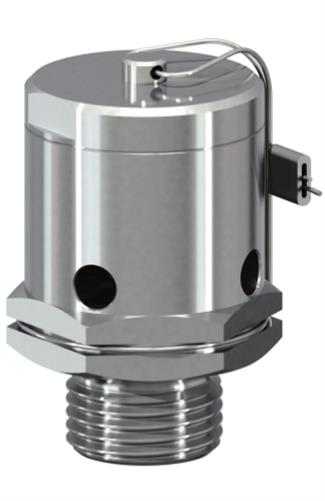
Technical Specifications
| Kod | 1940 |
| Application | Gases and Liquids |
| Body Material | Stainless Steel |
| Connection | Threaded |
| Sealing | PTFE |
| PN (Pressure Rating) | 16 |
| Sizes (DN) | ½” – 1″ |
| Set Pressure | -6 mBar |
| Temperature (°C) | -60 °C … +225 °C |
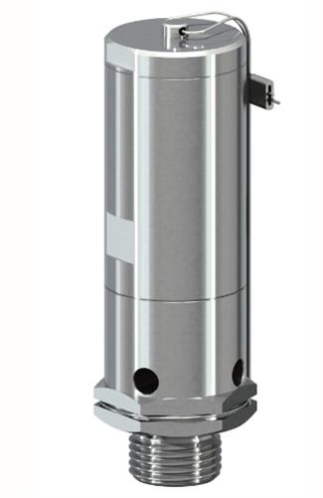
Technical Specifications
| Kod | 1945 |
| Application | Gases and Liquids |
| Body Material | Stainless Steel |
| Connection | Threaded |
| Sealing | PTFE |
| PN (Pressure Rating) | 16 |
| Sizes (DN) | ½” – 1″ |
| Set Pressure | -100 … -800 mBar |
| Temperature (°C) | -60 °C … +225 °C |
What Is a Stainless Steel Vacuum Breaker? Importance of Vacuum Breaker Systems
A stainless steel vacuum breaker is a critical component used to balance negative pressure (vacuum) that may occur in pressurized systems and to ensure overall system safety. In closed systems, when the internal pressure drops below atmospheric pressure, serious risks such as deformation, collapse, or equipment damage can occur. Vacuum breaker systems are designed to prevent such issues, making them an essential part of industrial safety solutions.
Stainless steel vacuum breaker products provide long service life thanks to their corrosion-resistant structure. They can be safely used in demanding environments such as chemical plants, food processing lines, energy systems, and marine applications. The stainless steel material ensures high durability even in aggressive environments, maximizing operational safety.
The working principle of a vacuum breaker is quite simple yet highly effective. When the system pressure drops below a certain level, the vacuum breaker activates and allows air from the atmosphere to enter the system. This equalizes the pressure and prevents the formation of harmful vacuum conditions. This function is especially critical in heat exchangers, tanks, and pipeline systems.
Stainless steel vacuum breakers not only improve safety but also enhance system efficiency. Maintaining pressure balance allows equipment to operate more stably and reduces maintenance costs. Therefore, selecting the right vacuum breaker provides both safety and economic advantages for industrial operations.
Vanox stainless steel vacuum breaker solutions are manufactured according to international quality standards and are widely preferred across multiple industries for their reliability and durability.
Stainless Steel Vacuum Breaker Models: Series 1940 and 1945 Features
Among stainless steel vacuum breaker solutions, Series 1940 stands out as a reliable option. It is specifically designed for pipelines, pipeline systems, vessels, and heat exchangers where pressure must not fall below atmospheric levels. With nominal sizes ranging from DN15 to DN50, it can be easily integrated into various systems.
Series 1940 is suitable for air, gases, and steam applications. Its operating temperature range of -60°C to +225°C makes it highly versatile. With a fixed pressure level of -6 mbar, it ensures precise vacuum control. Its stainless steel construction provides excellent resistance to corrosion and long-term durability.
Another key model, Series 1945, offers a wider vacuum range. It operates between -100 mbar and -800 mbar, making it ideal for more demanding vacuum applications. Like Series 1940, it is available in DN15-DN50 sizes, providing flexibility for different system requirements.
Series 1945 vacuum breakers are especially suitable for systems exposed to higher vacuum risks, such as chemical processes, energy production facilities, and specialized industrial applications. Their robust stainless steel design ensures long-lasting and reliable performance.
Both models combine safety and performance, making them essential components in vacuum protection systems. With Vanox quality, these products contribute significantly to the protection of industrial systems.
Applications and Industrial Importance of Vacuum Breakers
Vacuum breaker systems are widely used across various industries. They are essential in preventing vacuum formation in pressure vessels, pipelines, heat exchangers, and closed systems. By eliminating negative pressure risks, these systems protect equipment from structural damage and extend operational lifespan.
Stainless steel vacuum breakers offer significant advantages in chemical industries where aggressive substances are involved. They are also widely used in food and pharmaceutical sectors due to their hygienic properties. In marine applications, their resistance to saltwater corrosion makes them highly reliable.
In the energy sector, vacuum breakers play a crucial role in steam lines and heat transfer systems. Maintaining pressure balance improves energy efficiency and optimizes system performance.
When selecting a vacuum breaker, system conditions must be carefully analyzed. Factors such as pressure range, temperature levels, and fluid type are critical in choosing the right model. Professional evaluation is recommended to ensure optimal performance and safety.
In summary, vacuum breaker solutions not only enhance system safety but also contribute to efficiency and sustainability in industrial operations.
Selection and Advantages of Stainless Steel Vacuum Breakers
Selecting the right stainless steel vacuum breaker requires a detailed understanding of system requirements. Parameters such as operating pressure, vacuum range, temperature, and fluid characteristics must be considered. For example, Series 1940 is suitable for low vacuum levels, while Series 1945 is ideal for higher vacuum demands.
The primary advantage of stainless steel material is its long service life and resistance to corrosion. This significantly reduces maintenance requirements and lowers operational costs.
Vacuum breaker systems also enhance overall system safety by preventing equipment damage caused by negative pressure. This ensures uninterrupted production and operational continuity.
Vanox stainless steel vacuum breaker solutions are manufactured according to high-quality standards and are suitable for a wide range of industrial applications. They combine durability, performance, and safety in one solution.
Overall, stainless steel vacuum breakers provide both safety and economic benefits, making them a valuable investment for industrial facilities.
Frequently Asked Questions
What is the main function of a stainless steel vacuum breaker in industrial systems?
A stainless steel vacuum breaker is designed to prevent negative pressure by allowing air into the system when vacuum conditions occur, ensuring equipment safety and system stability.
Which vacuum breaker model is more suitable for applications with higher vacuum levels?
Series 1945 is more suitable for applications requiring a wider vacuum range and higher vacuum resistance compared to Series 1940.
Why is stainless steel material preferred in vacuum breaker manufacturing?
Stainless steel is highly resistant to corrosion, provides long service life, and performs reliably in harsh environmental conditions.
In which industries are vacuum breakers most commonly used?
They are commonly used in chemical processing, energy production, food and beverage manufacturing, pharmaceuticals, and marine applications.
Do vacuum breakers contribute to system efficiency and performance?
Yes, by maintaining pressure balance, vacuum breakers help systems operate more efficiently and reduce the risk of downtime or equipment damage.