What is an Expansion Joint and Why is it Critical in Industrial Systems?
Expansion joints are flexible connectors used in piping systems and industrial installations to absorb thermal expansion, vibration, pressure fluctuations, and mechanical movements. In industrial facilities, temperature differences cause pipelines to expand and contract. If these movements are not properly controlled, leaks at flange connections, cracks at weld points, and serious equipment failures may occur.
A properly selected expansion joint extends system lifespan, reduces maintenance costs, and maximizes operational safety. On the other hand, an incorrectly selected expansion joint can lead to costly breakdowns and production losses. Therefore, choosing the right expansion joint is not just a product decision — it is a critical engineering decision.
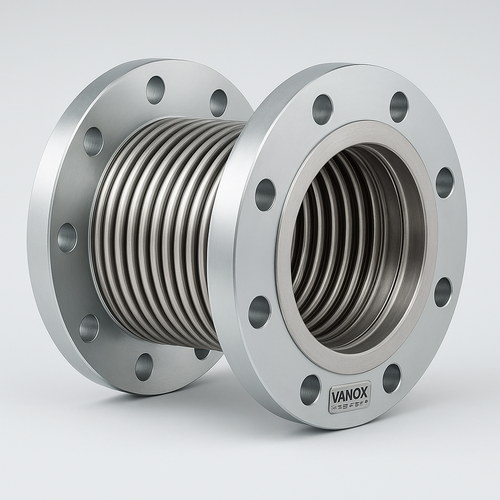
Metal Expansion Joints: Maximum Durability Under High Temperature and Pressure
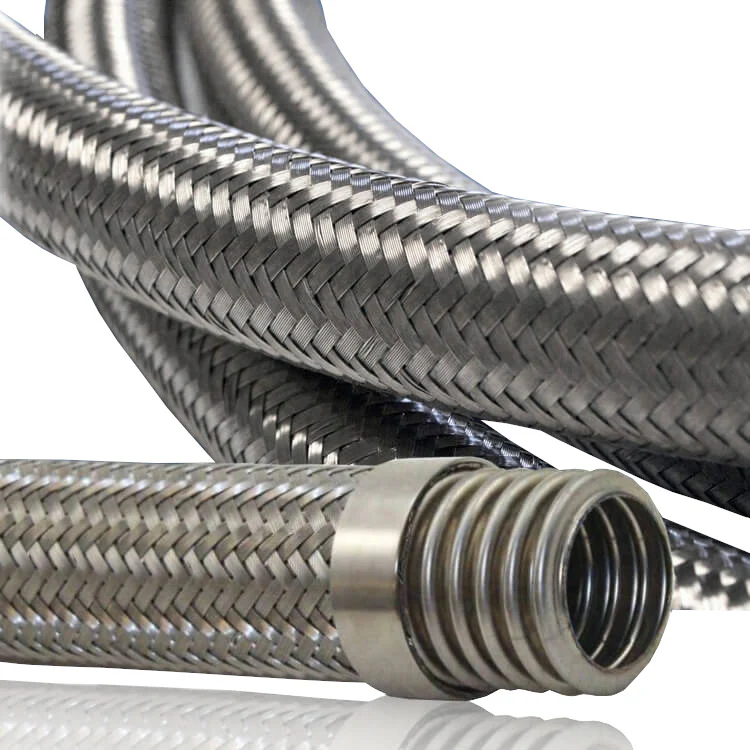
Metal expansion joints are manufactured with stainless steel bellows and are designed to operate safely under high temperature and high-pressure conditions. They are widely used in steam lines, hot oil systems, power plants, and heavy industrial applications.
Metal bellows expansion joints can absorb axial, lateral, and angular movements. With strong pressure resistance, they provide reliable solutions especially for PN16 and higher pressure classes. They can be produced with weld ends, flanged ends, or customized connection types.
Advantages:
- High temperature resistance
- High pressure strength
- Long service life
- Full compatibility with industrial processes
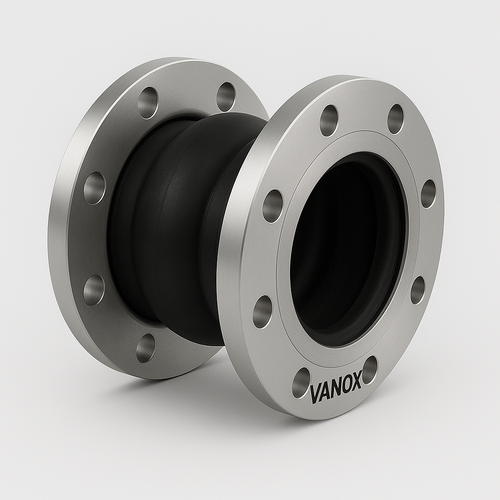
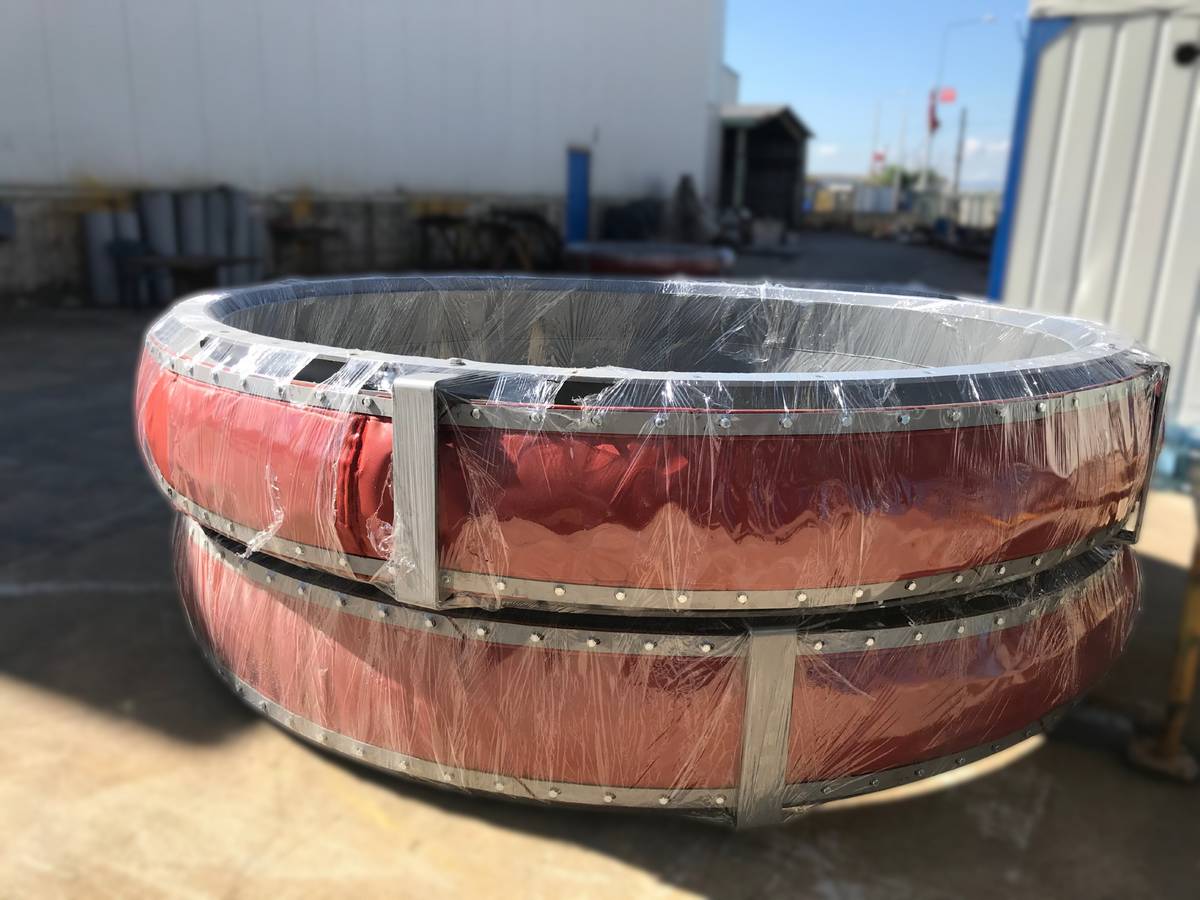
Rubber Expansion Joints: Effective Vibration and Noise Control
Rubber expansion joints are frequently used in pump discharge lines and HVAC systems due to their vibration damping and shock-absorbing properties. Their elastomeric structure absorbs mechanical vibrations within the system and helps extend equipment life.
Different rubber materials such as EPDM, NBR, and neoprene are selected according to the fluid type and operating temperature. For chemically aggressive media, specially formulated compounds are preferred.
Application Areas:
- Water and wastewater treatment plants
- Heating and cooling systems
- Pump and motor connections
- Chemical processing lines
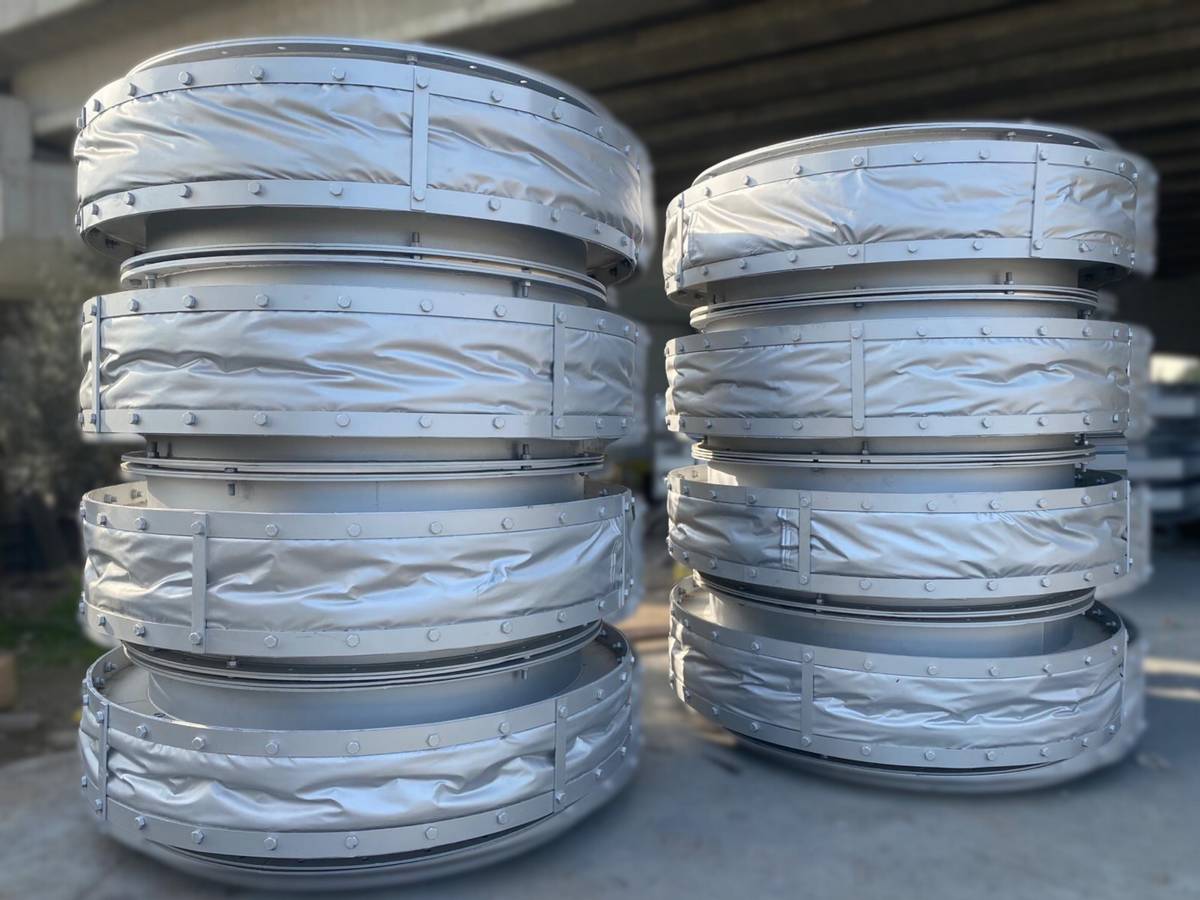
Fabric Expansion Joints: Flexible Solutions for Flue Gas and Duct Systems
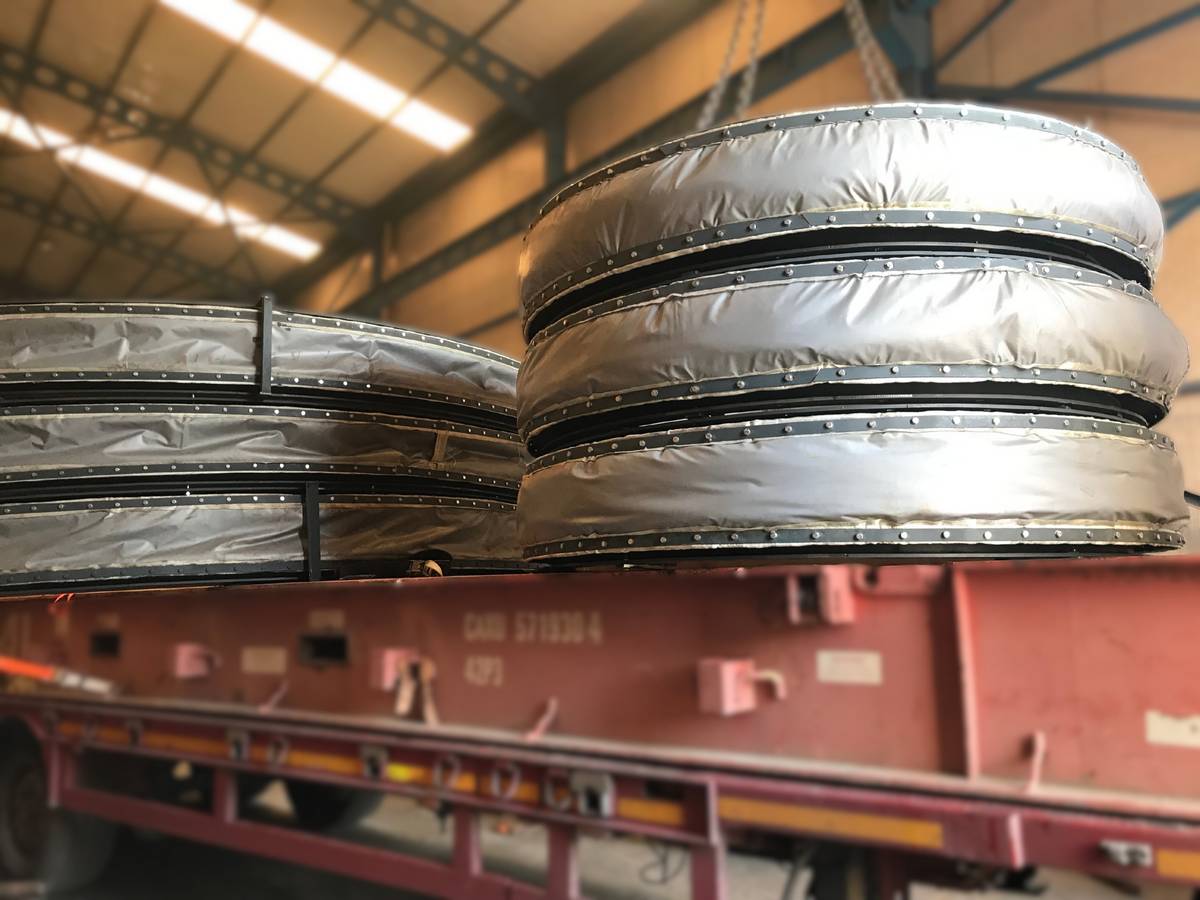
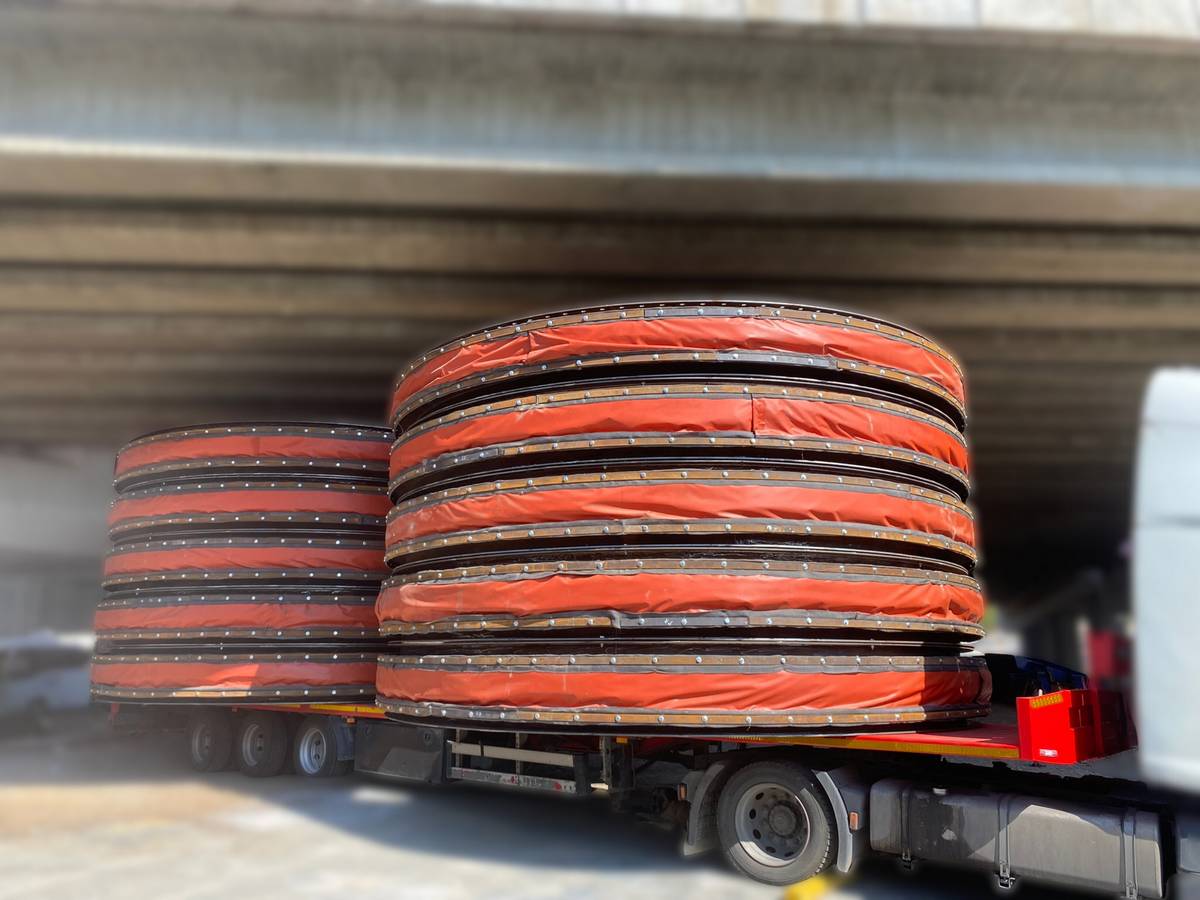
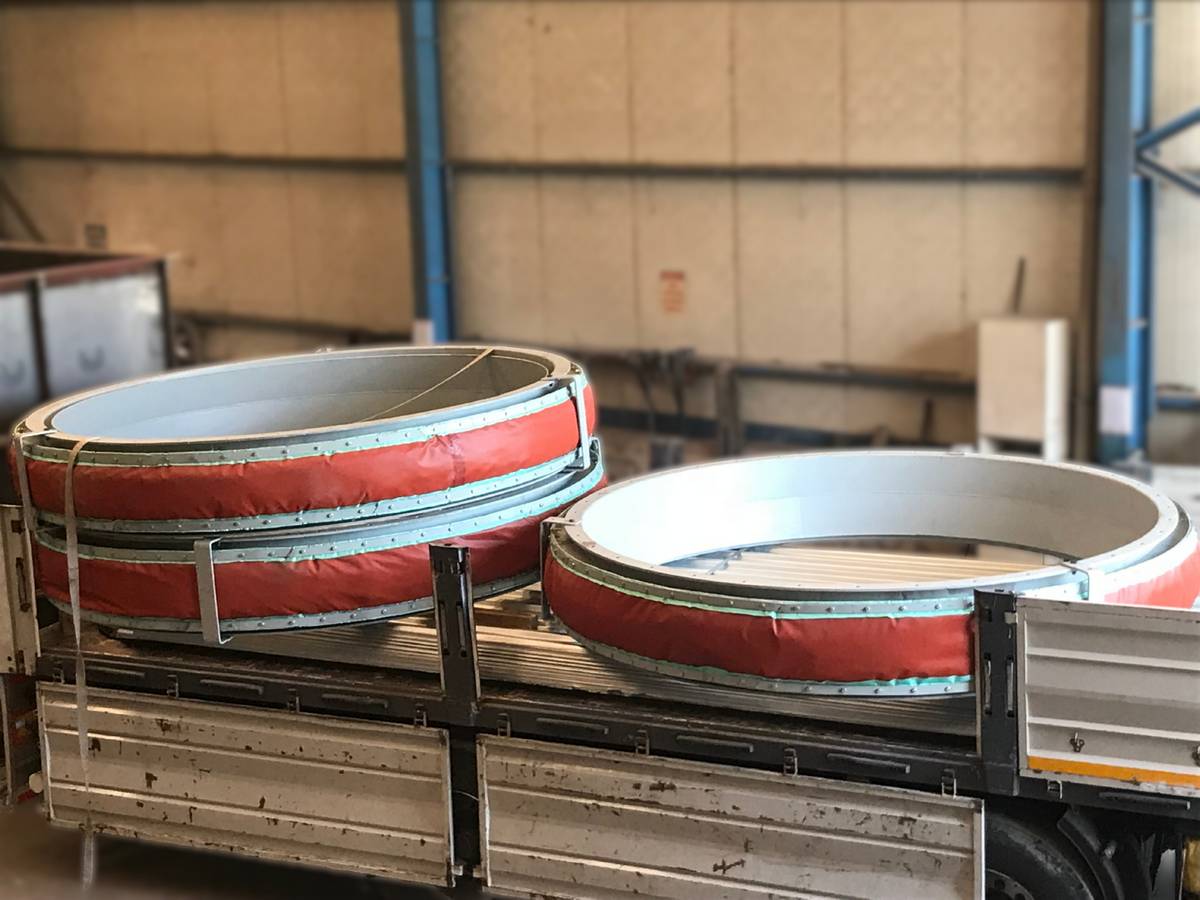
Fabric expansion joints are primarily used in low-pressure but high-temperature gas ducts. Their multi-layer construction is reinforced with fiberglass, silicone coatings, and PTFE materials.
They are widely used in power plants, cement factories, and filtration outlet systems. Their lightweight structure ensures easy installation and provides cost-effective solutions for large cross-section ducts.
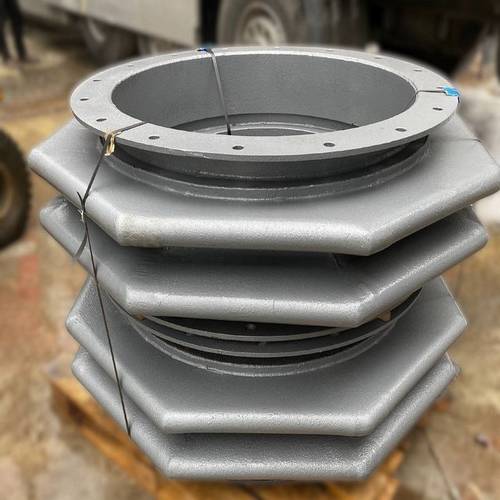
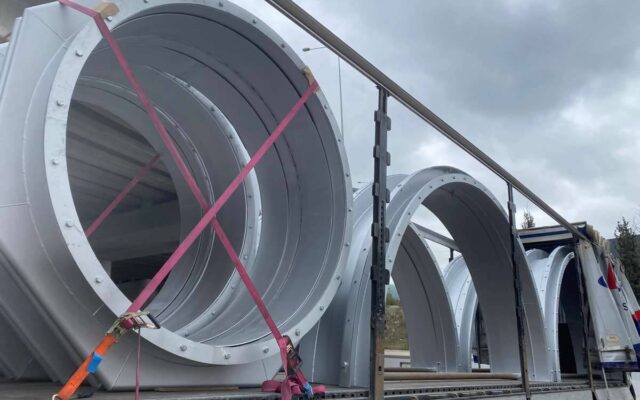
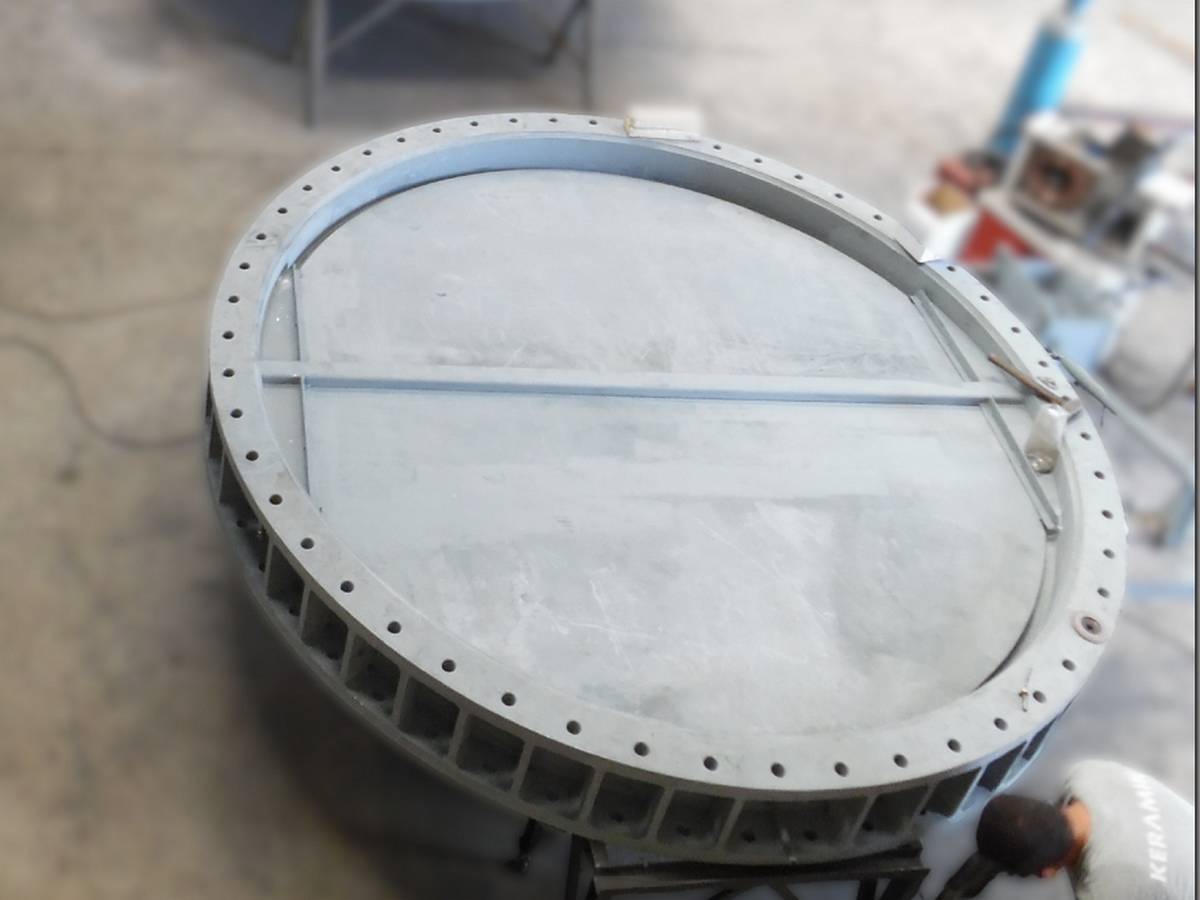
Lens Type Expansion Joints: Economical Solution for Large Diameter Pipelines
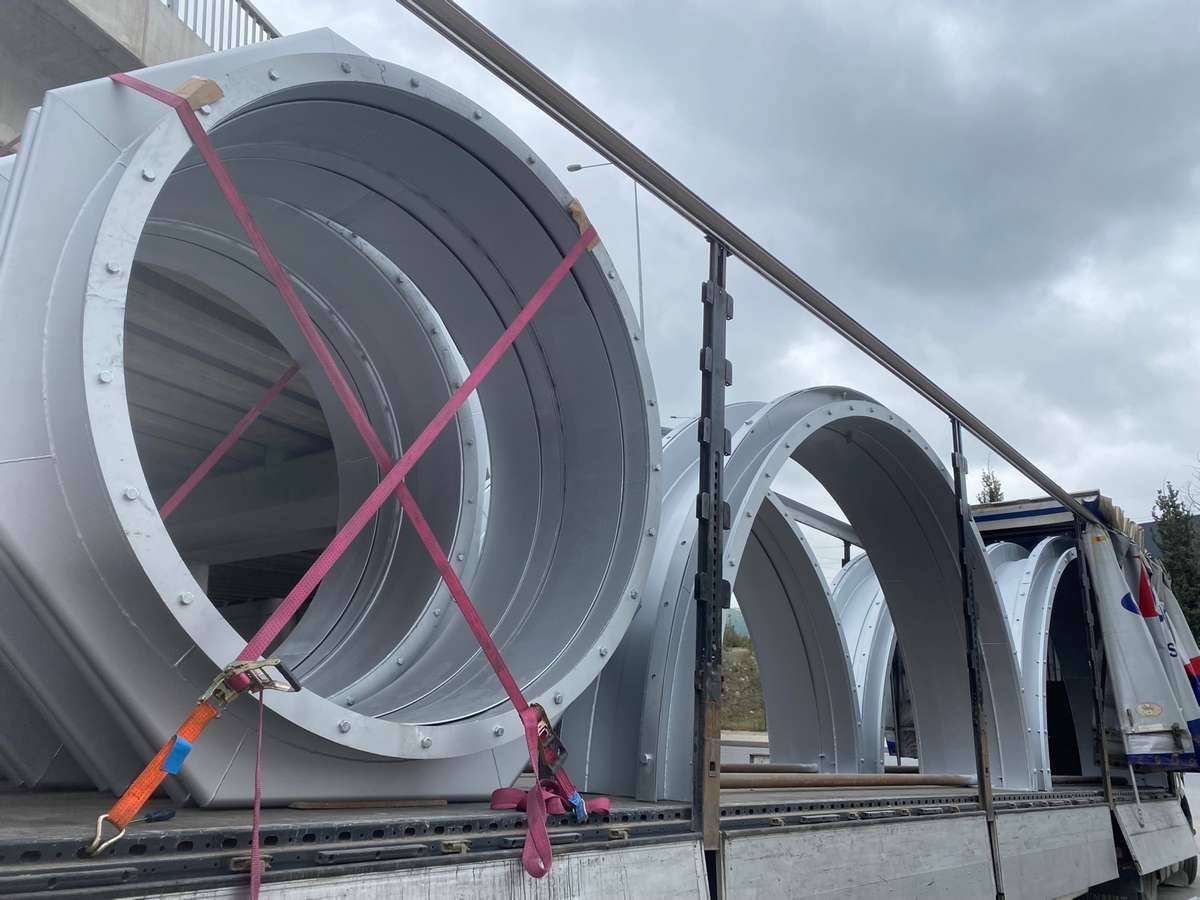
Lens type expansion joints are preferred to accommodate axial movements in large diameter piping systems. Their simple design offers cost advantages and reliable performance in energy facilities.
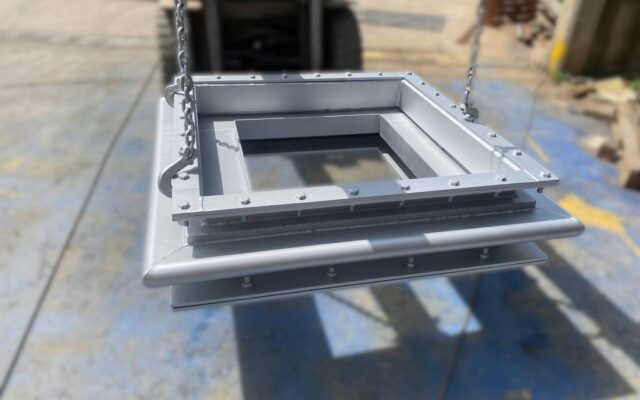
Rectangular and Square Expansion Joints
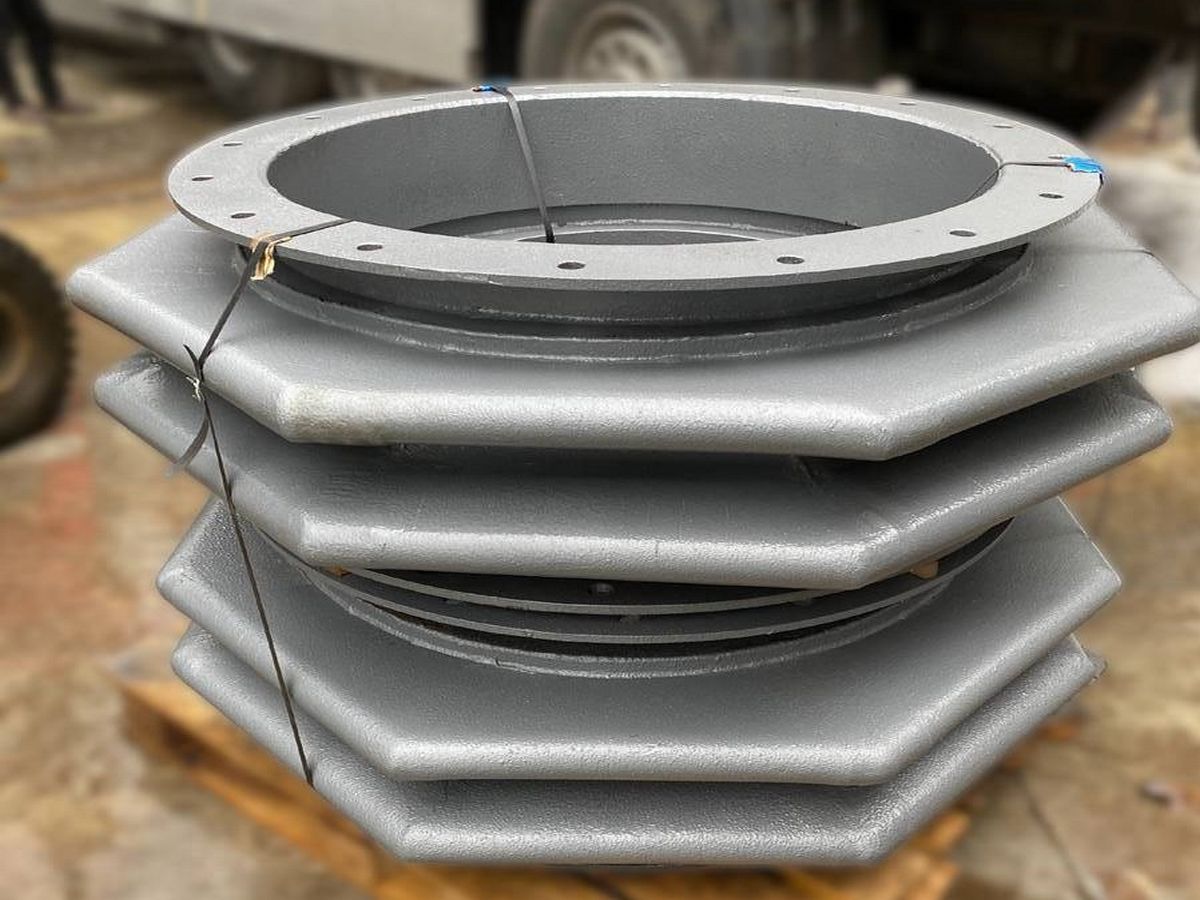
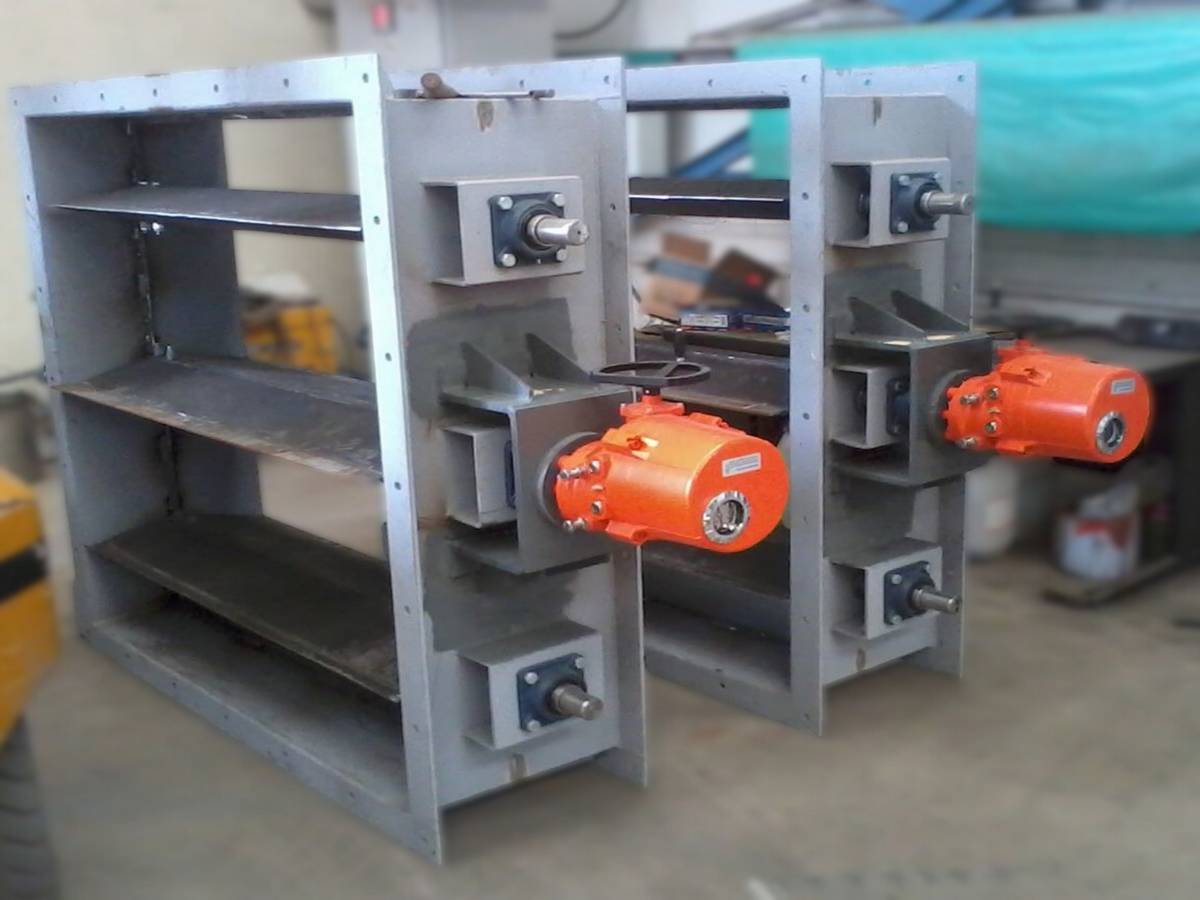
Rectangular and square expansion joints are used in square-section air and flue gas ducts, especially in filtration systems and industrial gas channels. Custom manufacturing ensures full compatibility with project requirements.
Seismic and Special Design Expansion Joints
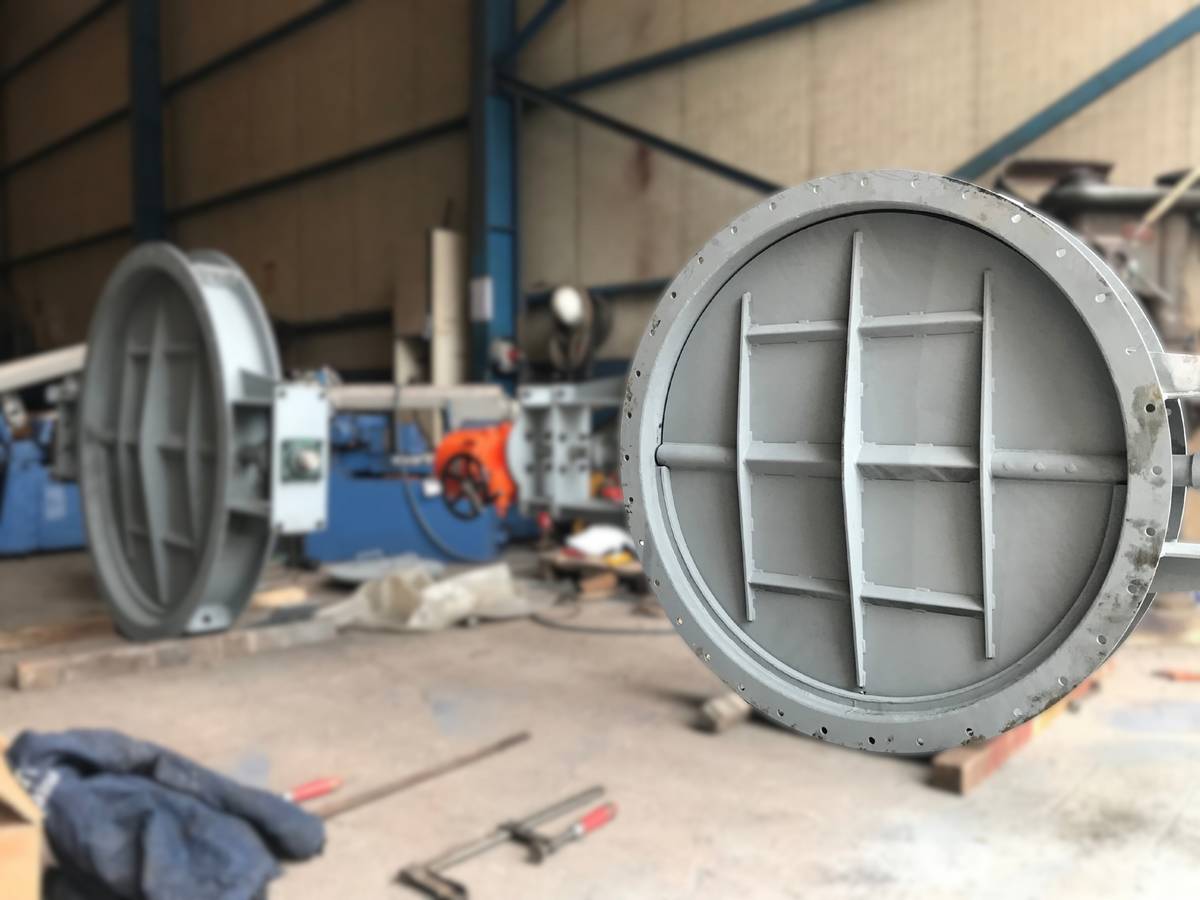
In critical infrastructure projects, systems capable of absorbing seismic movements are of great importance. Gimbal type and externally pressurized expansion joints control high expansion forces effectively. Limit rod and swivel flange models provide additional installation and safety advantages.
These specially designed expansion joints are commonly used in:
- Petrochemical plants
- Power generation facilities
- Natural gas transmission lines
- Industrial boiler systems
How to Select the Right Expansion Joint?
The following technical parameters must be considered when selecting an expansion joint:
- Operating temperature
- Pressure class
- Fluid type
- Movement type (axial, lateral, angular)
- Installation distance
- Connection type
Incorrect expansion joint selection may result in bellows rupture, leakage, and system failures. Therefore, selection must be carried out according to proper engineering calculations and project specifications.
Industry Applications
VANOX expansion joint solutions are actively used in the following industries:
- Thermal and natural gas power plants
- Cement and clinker production facilities
- Iron and steel plants
- Petrochemical industries
- HVAC projects
- Marine and shipbuilding sectors
Each industry requires a specific type of expansion joint. Therefore, project-specific manufacturing is preferred over standard products.
Why Choose VANOX?
VANOX is a reliable expansion joint manufacturer with an engineering-focused production approach. Through project-based design, strict quality control processes, and technical support services, VANOX delivers long-term and sustainable solutions.
By maintaining high-quality standards in metal expansion joints, rubber expansion joints, fabric expansion joints, and custom-designed expansion joint solutions, VANOX aims to enhance industrial system safety and performance.
If you are looking for a reliable and long-lasting expansion joint solution for industrial systems, VANOX provides professional solutions with the right engineering approach and high-quality manufacturing processes.